What Is Vehicle to Load (V2L)? The Complete Beginner’s Guide
As electric vehicles become more advanced they are starting to do much more than simply get you from A to B. One of the most useful, and often surprising, features to emerge in recent years is Vehicle to Load, commonly known as V2L. At Nevo, we’re often asked what V2L actually is and why it matters. This guide explains everything you need to know in clear, simple terms.
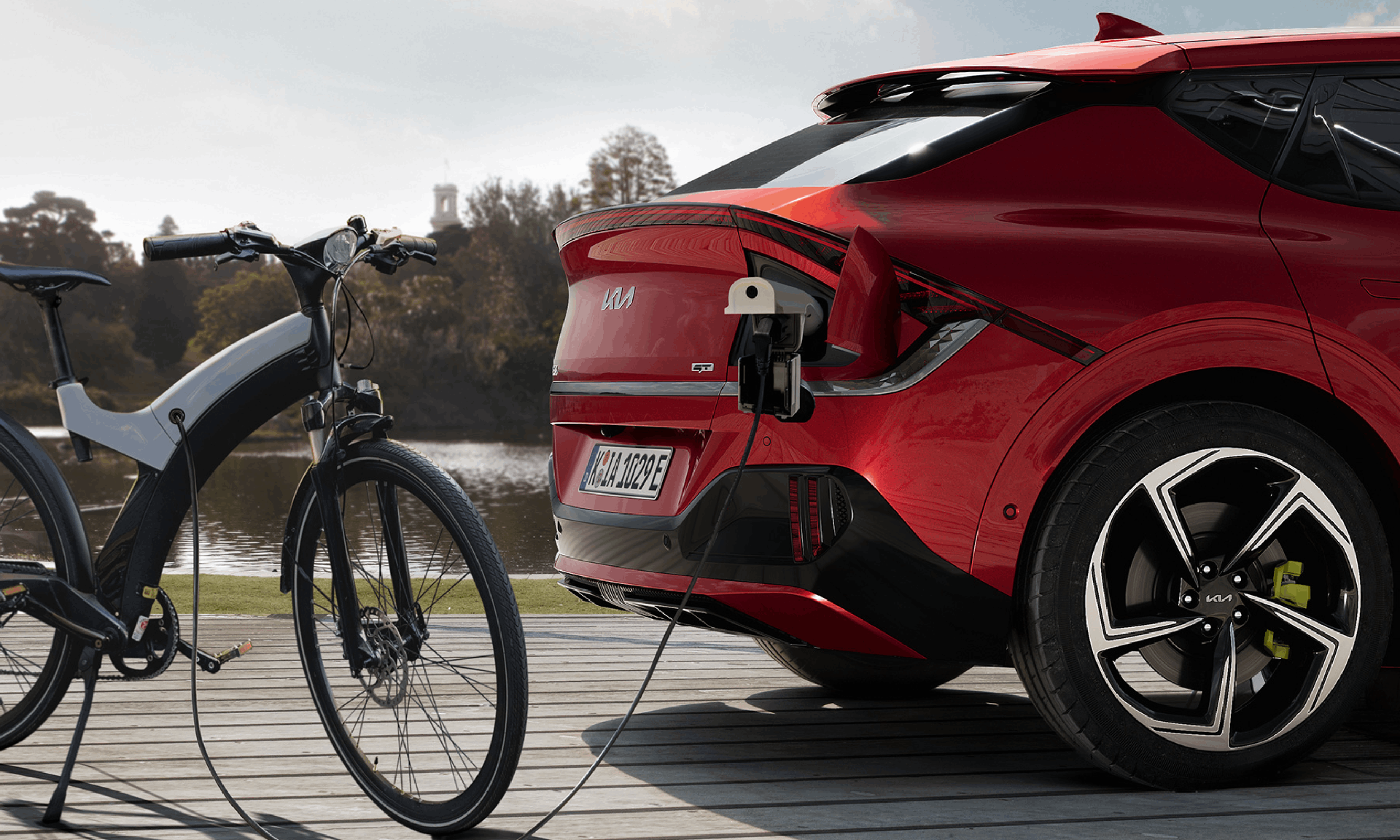
Vehicle to Load is a technology that allows an electric vehicle to supply power to external electrical devices. In effect, your EV becomes a large mobile battery that you can plug everyday items into. Instead of only drawing electricity from the grid, the car can send power out to run equipment whenever you need it.
How Vehicle to Load Works & What Models Support it?
Most V2L systems provide a standard household three-pin socket, either inside the vehicle or via an adaptor connected to the charging port. This means you can plug in appliances just as you would at home.
The electricity comes directly from the vehicle’s high-voltage battery and is converted into safe, usable AC power suitable for common household devices.
A growing number of electric vehicles now offer Vehicle to Load capability. Although availability can vary by model year and specification, well-known EVs that support V2L include the Hyundai IONIQ 5 and Hyundai KONA, alongside models from Kia, MG, and BYD. As the technology becomes more popular, more manufacturers are expected to introduce V2L across their line-ups.
Real-World Uses for V2L
One of the easiest ways to understand the value of V2L is through everyday scenarios:
- Power a laptop and WiFi router while working remotely
- Run camping equipment such as lights, a kettle, or a portable fridge
- Charge tools on-site for DIY projects
- Keep essential appliances running during a power outage, including lamps, a TV, or phone chargers
For outdoor enthusiasts in particular, V2L can remove the need for noisy petrol generators, making trips quieter, cleaner, and more convenient.
How Much Power Can an EV Supply?
The amount of power available through V2L depends on the vehicle, but many EVs offer around 3.6kW, similar to a domestic socket and more than enough for most everyday devices. Some models can provide higher outputs, though built-in safety limits help prevent overloading and protect the battery.
A common question is whether using V2L will significantly drain the car’s battery. In reality, most appliances use relatively little energy compared to the total capacity of an EV battery. For example, running a laptop for several hours would typically consume only a small percentage of the charge.
Many vehicles also allow drivers to set a minimum battery level, meaning the car will automatically stop supplying power before the battery drops too low.
Vehicle to Load vs Vehicle to Grid: What’s the Difference?
It’s helpful to understand how V2L differs from other bidirectional charging technologies.
Vehicle to Load is designed for direct use by the owner and does not feed electricity back into the national grid. It’s straightforward, practical, and increasingly available across modern EVs.
Vehicle to Grid (V2G), on the other hand, allows electricity to be exported back to the grid. However, it typically requires specialist hardware and agreements with energy providers, making it less accessible for most drivers today.
In short, V2L focuses on convenience and everyday usability.
Why V2L Is Becoming a Must-Have EV Feature
At Nevo, we see Vehicle to Load as one of those features people may not realise they need, until they use it. Once experienced, it quickly becomes one of the most appreciated benefits of driving an electric vehicle.
V2L adds flexibility, resilience, and a new level of practicality that traditional petrol or diesel cars simply can’t offer.
As EV technology continues to evolve, features like V2L highlight how electric vehicles are transforming not just how we drive, but how we use energy in everyday life.
If this capability is important to you, it’s well worth checking that your next EV supports Vehicle to Load.