EV Battery Health Explained: How to Make Your Electric Car Battery Last Longer
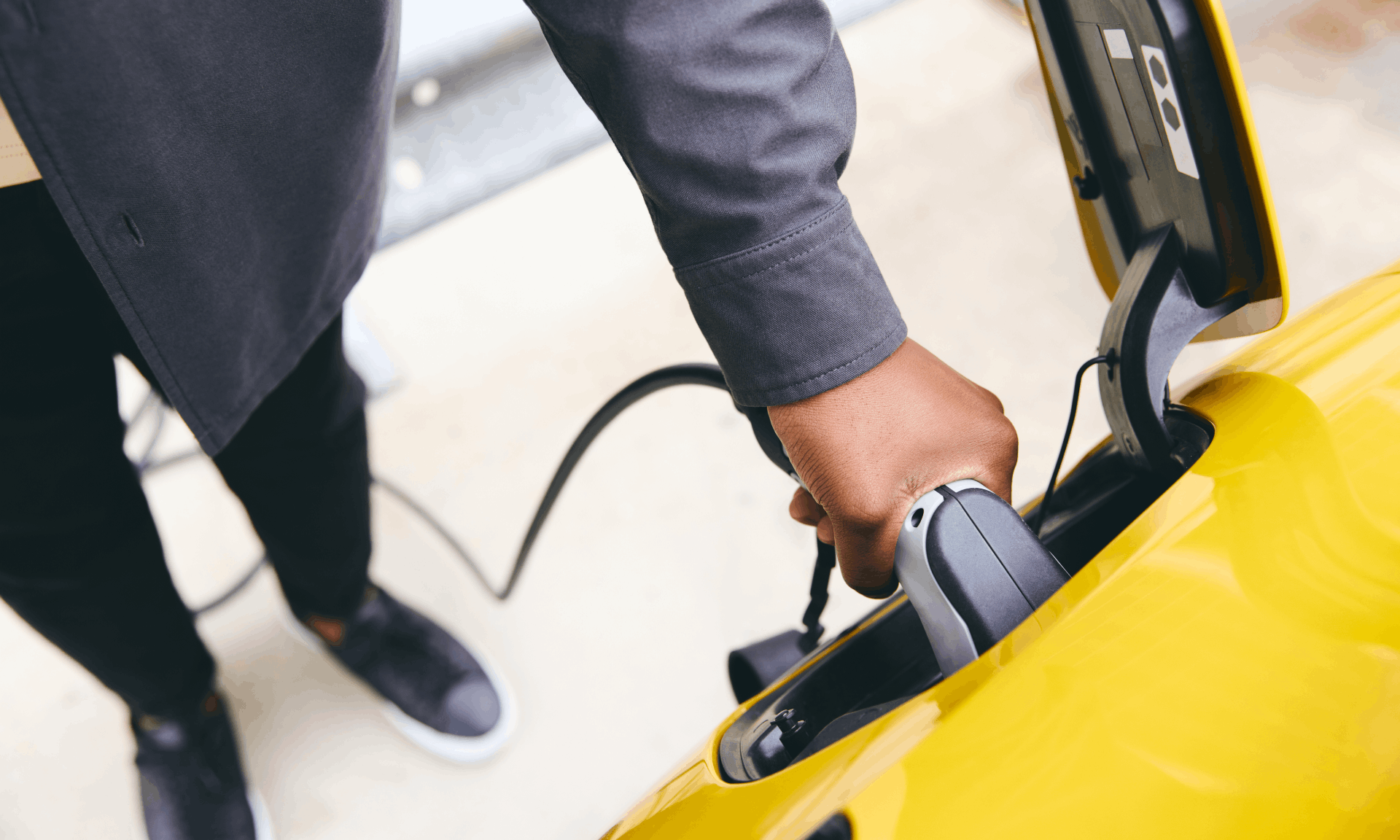
For many drivers considering or newly driving an electric vehicle, the battery can feel like a black box. It’s the most valuable component in your EV and the one that prompts the most questions. At Nevo, we speak to Irish EV drivers every day, and the good news is this: modern EV batteries are far more robust and intelligent than most people realise. Understanding how they work and how to treat them can help you get the best performance and longevity from your car! Lets delve a littler deeper.
How Lithium-Ion Batteries Power Your Electric Car
Most EVs on Irish roads use lithium-ion batteries, similar in principle to those in phones and laptops, but engineered on a much larger and more sophisticated scale. Inside the battery pack are thousands of individual cells that store energy through the movement of lithium ions between electrodes during charging and discharging. What’s important to know is that your car’s Battery Management System (BMS) is constantly monitoring temperature, charge level, and cell health. It actively protects the battery from damage, meaning you don’t need to be worried about it, but smart habits do make a difference over time!
Smart Charging Habits That Protect Battery Health
One of the biggest battery myths we encounter is that you should always charge to 100%. In reality, EV batteries prefer consistency over extremes. Frequent short charging sessions are far gentler on the battery than letting it drop very low and then charging to full. For most drivers, plugging in at home a few times a week or even every night for a short top-up is ideal. This approach keeps the battery within a comfortable operating range and aligns perfectly with typical Irish daily driving distances.
Why Charging Between 20% and 80% Makes Sense
Lithium-ion batteries experience the most stress at very high and very low states of charge. While your EV can safely handle 0% and 100% when needed, regularly operating at these extremes isn’t optimal for long-term health. That’s why many manufacturers recommend keeping daily charging between roughly 20% and 80%. Staying within this window reduces wear on the battery and helps maintain its usable capacity over the years. Think of 100% as something you use for longer trips and not your everyday target.
Fast Charging vs Home Charging: What’s Better for Your Battery?
Fast charging is one of the great conveniences of EV ownership, especially on longer journeys around Ireland. But because it generates more heat, relying on it too often can put extra strain on the battery over time.
The good news is that occasional fast charging isn’t a problem. Modern EVs are built to handle it, with smart cooling systems that protect battery health.
For day-to-day driving, home charging is the better option. It’s gentler on the battery, usually cheaper, and more practical for everyday use. Most Irish EV drivers soon find that fast chargers are for road trips, while home charging does the heavy lifting the rest of the time.
How Cold Weather Affects EV Batteries in Ireland
Cold weather does affect battery performance, and although Irish winters tend to be mild, you still may notice reduced range and slower charging during colder months. This isn’t battery damage it’s simply chemistry. The good news is that EVs manage this intelligently. Pre-heating your car while it’s plugged in, using seat heaters instead of blasting cabin heat, having a heat pump, and planning slightly shorter charging stops in winter all help. Once temperatures rise, performance returns to normal.
The Nevo Takeaway: What Irish Drivers Should Really Know
Your EV’s battery is designed to last. By charging little and often, avoiding daily extremes, and relying mainly on home charging, most Irish drivers will see minimal degradation even after many years. With a bit of understanding, the battery becomes something you trust and not something to worry about.